Cuenca Andina, the bold gamble of protecting a valley forever
By Johan Lolos | June 2026
In the heart of Chile’s Central Valley, one family chose to renounce the exploitation of 12,400 hectares of wilderness in order to dedicate them to perpetual conservation. In a region long sacrificed to the forestry industry, Cuenca Andina is inventing another model: that of a private reserve imagined as a living legacy.
From Santiago, it takes several hours of driving before the landscape finally begins to change. The highway cuts through endless agricultural land, villages stretched along the Pan-American Highway, gas stations and dry hills. Then, little by little, the road narrows as you enter the Maule Valley toward the Andes. Plantations become more scattered, power lines grow rarer and the mountains begin to close in.
At the end of the road lies Los Queñes, a small Andean village. And behind it, almost hidden, sits Cuenca Andina.
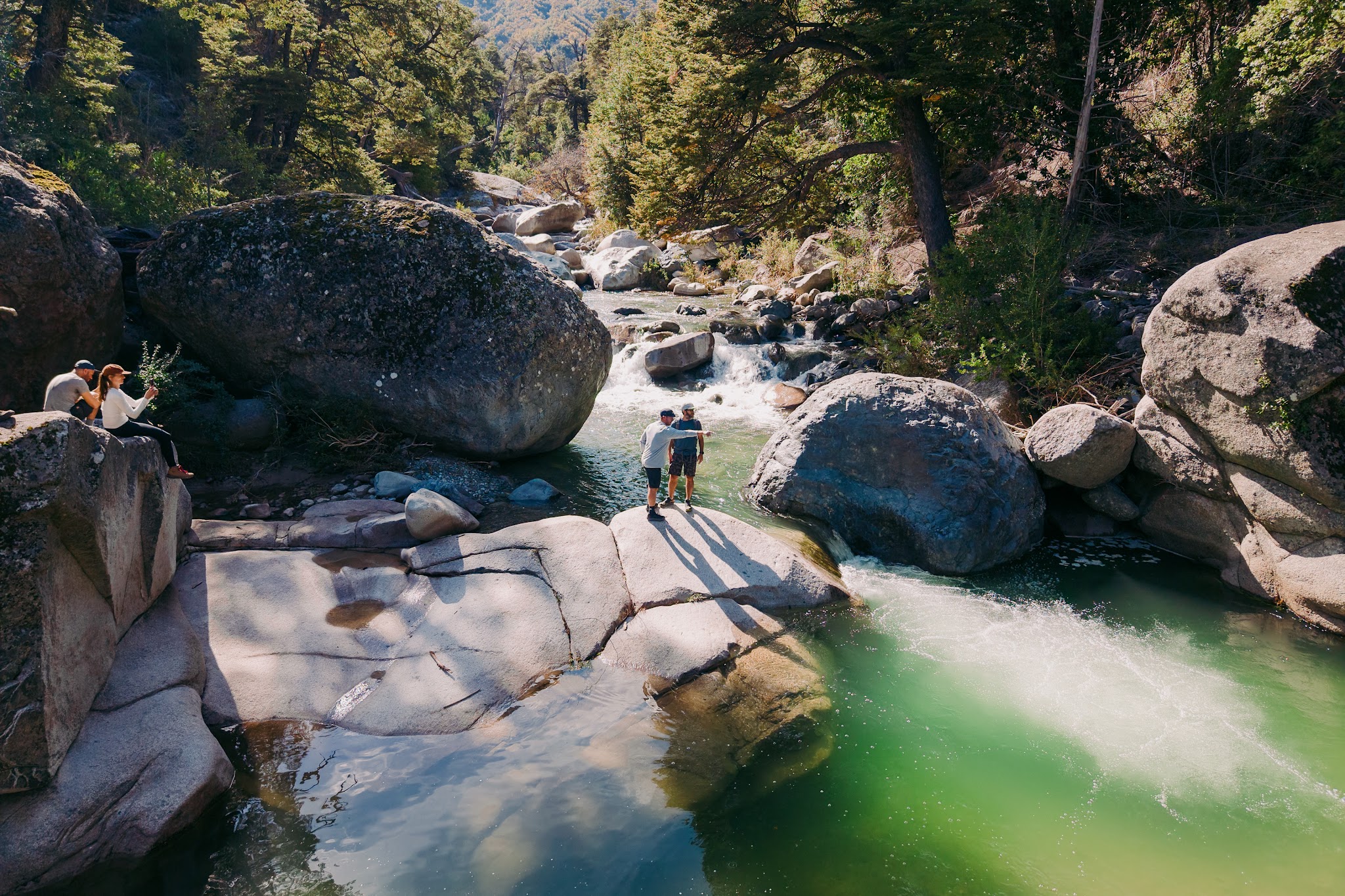
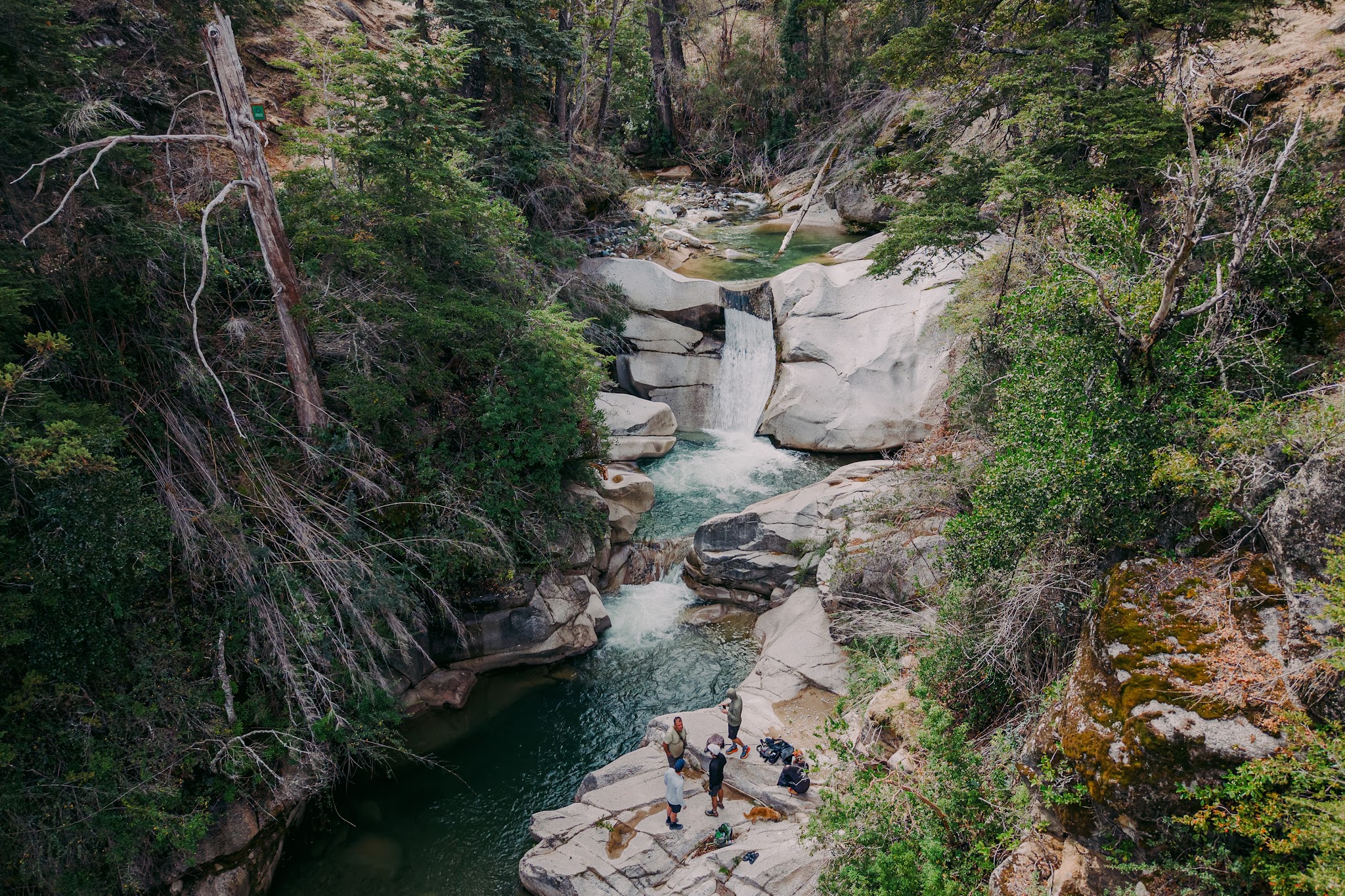
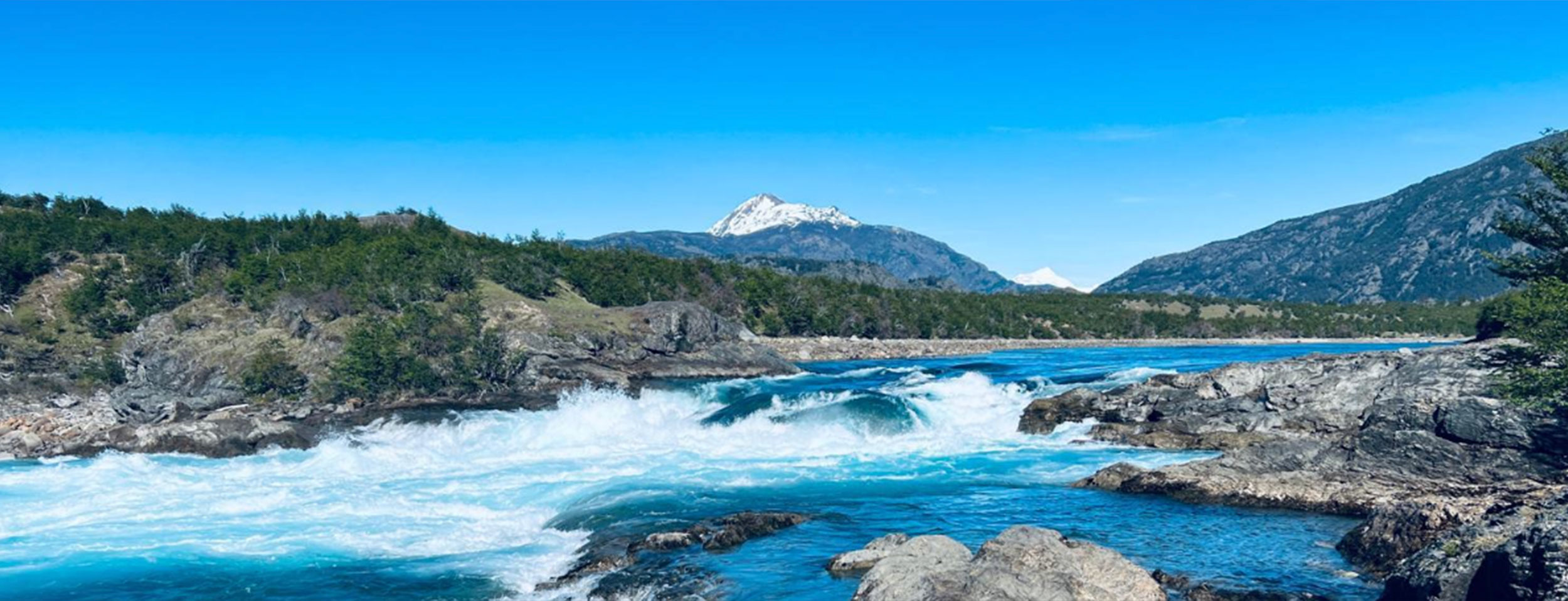
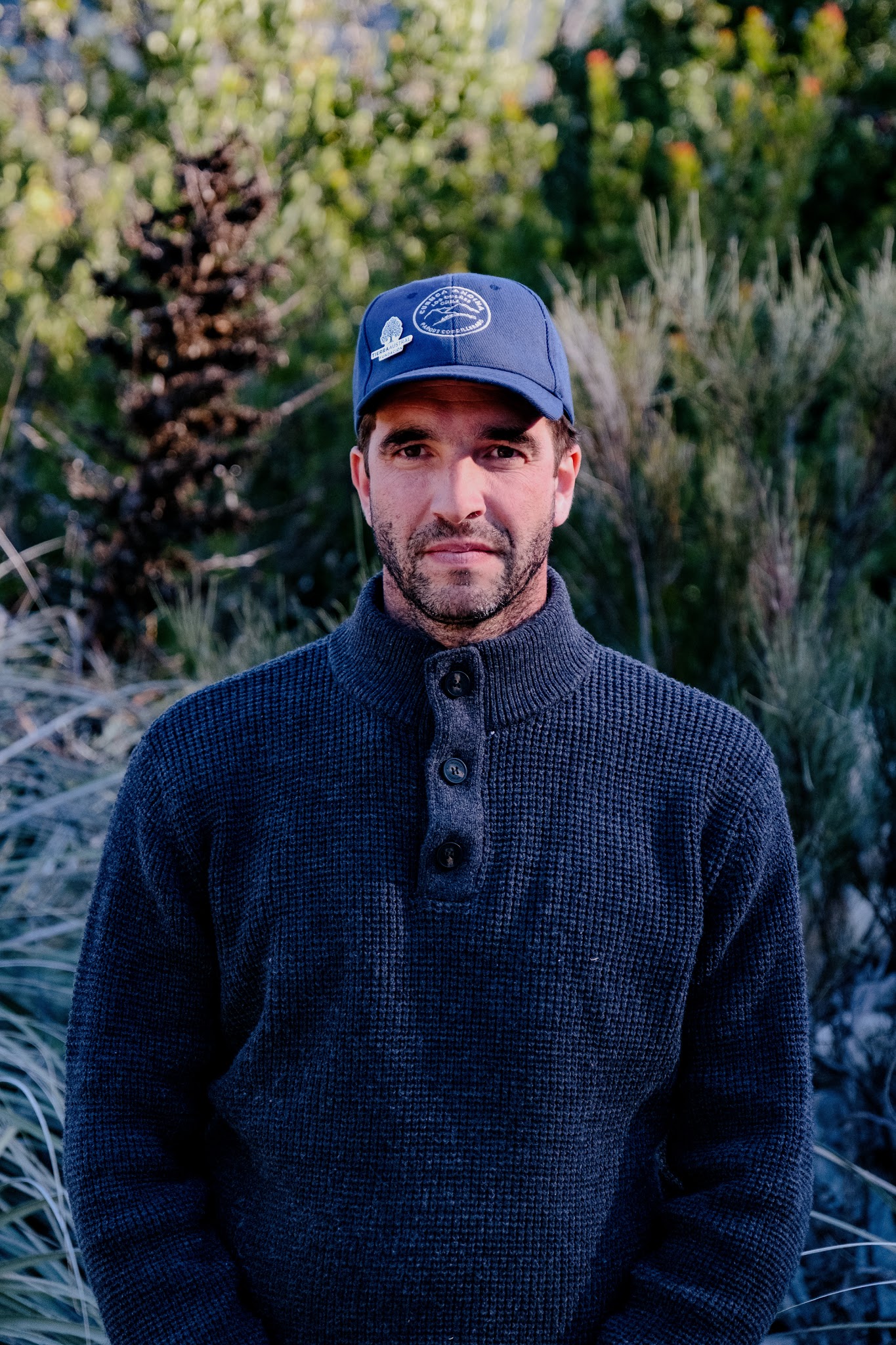
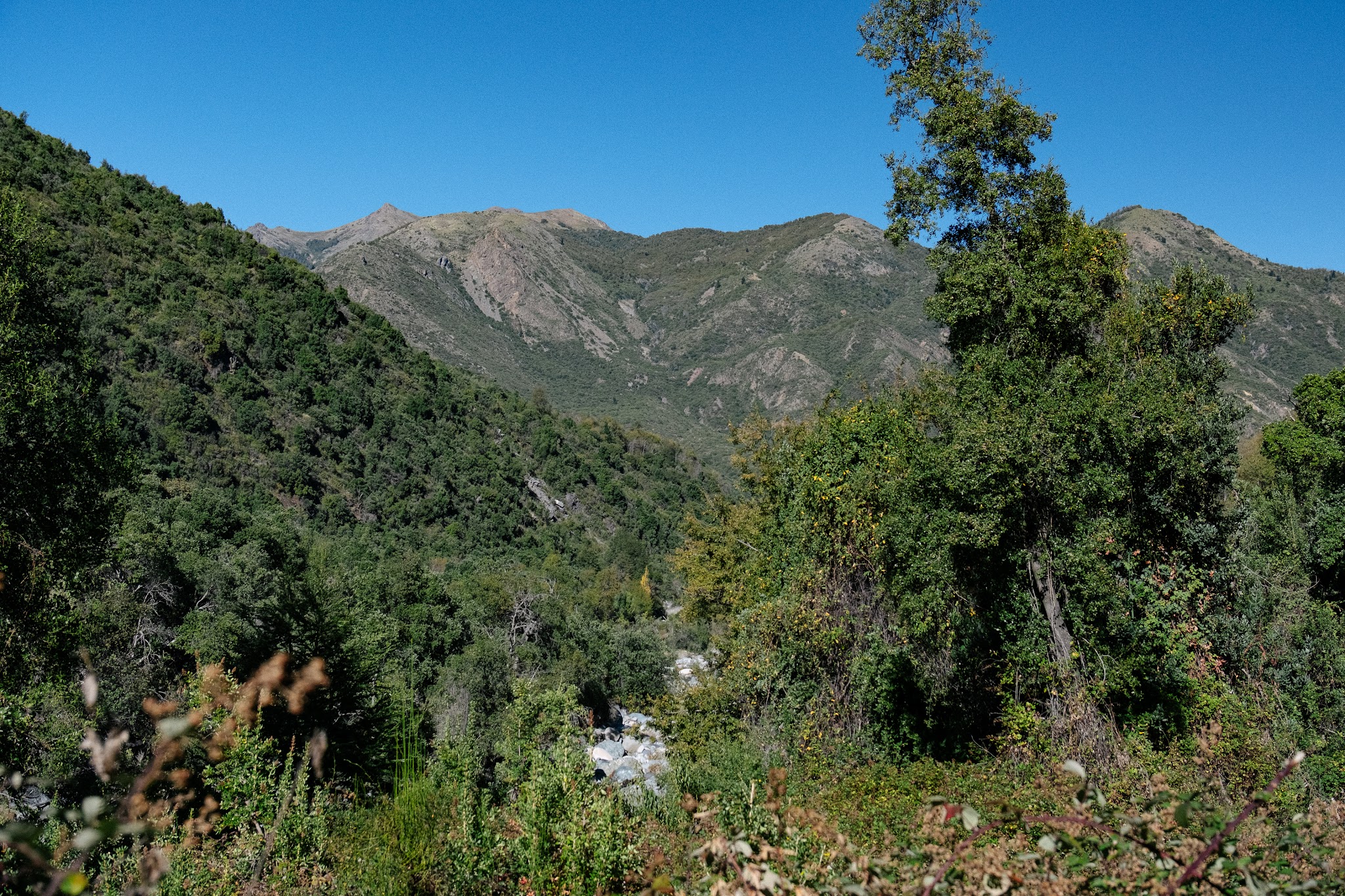
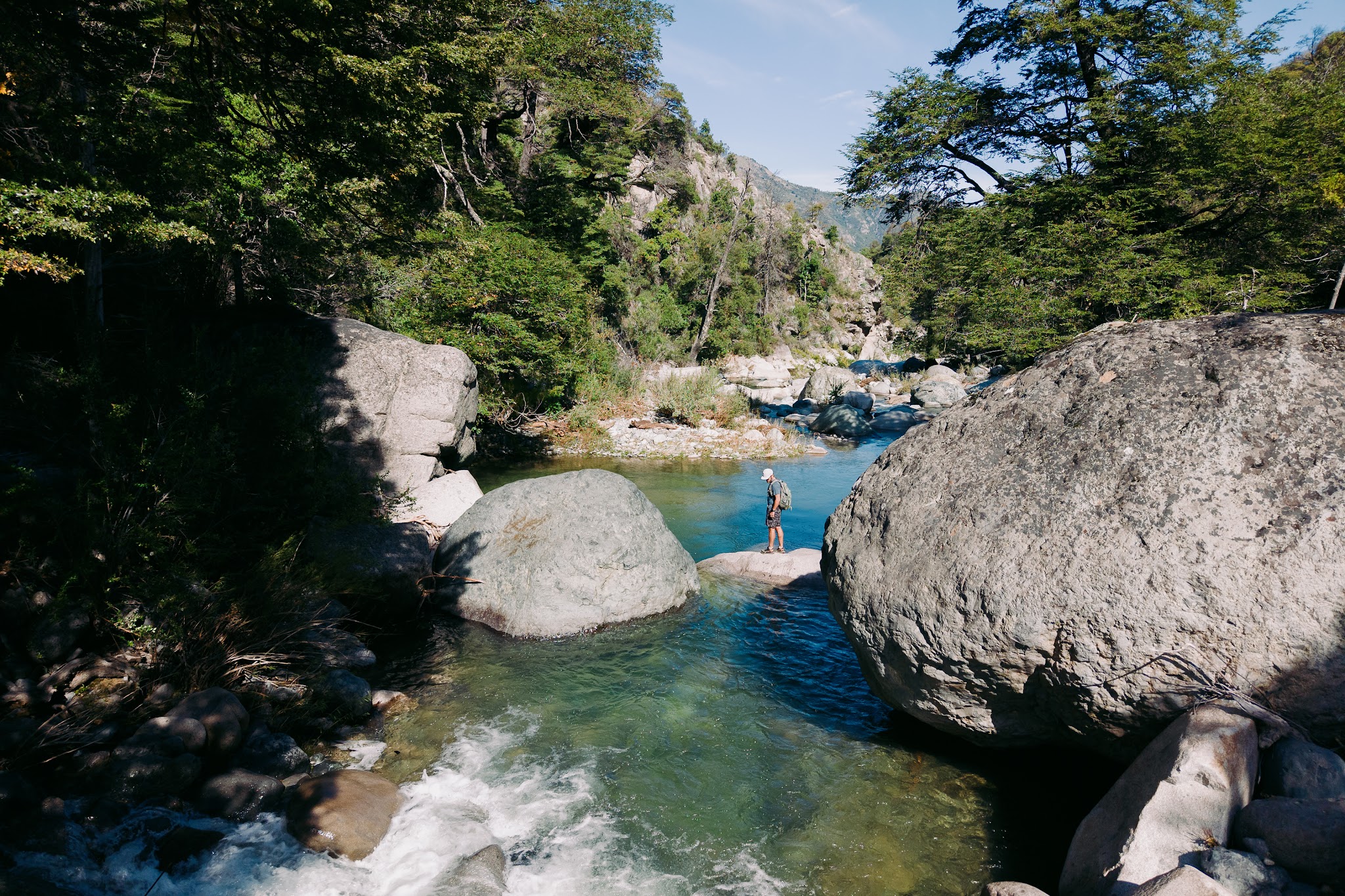
Here, rivers descend from the Andes through Mediterranean forests unlike anywhere else on Earth. Centuries-old Chilean oaks blanket the valleys, woodpeckers drum against ancient trunks and some cypress trees are believed to be more than a thousand years old. Higher in the mountains, pumas still move discreetly along the ridgelines.
But this landscape does not exist simply because it was spared.
It exists because one man decided, back in 1978, to say no.
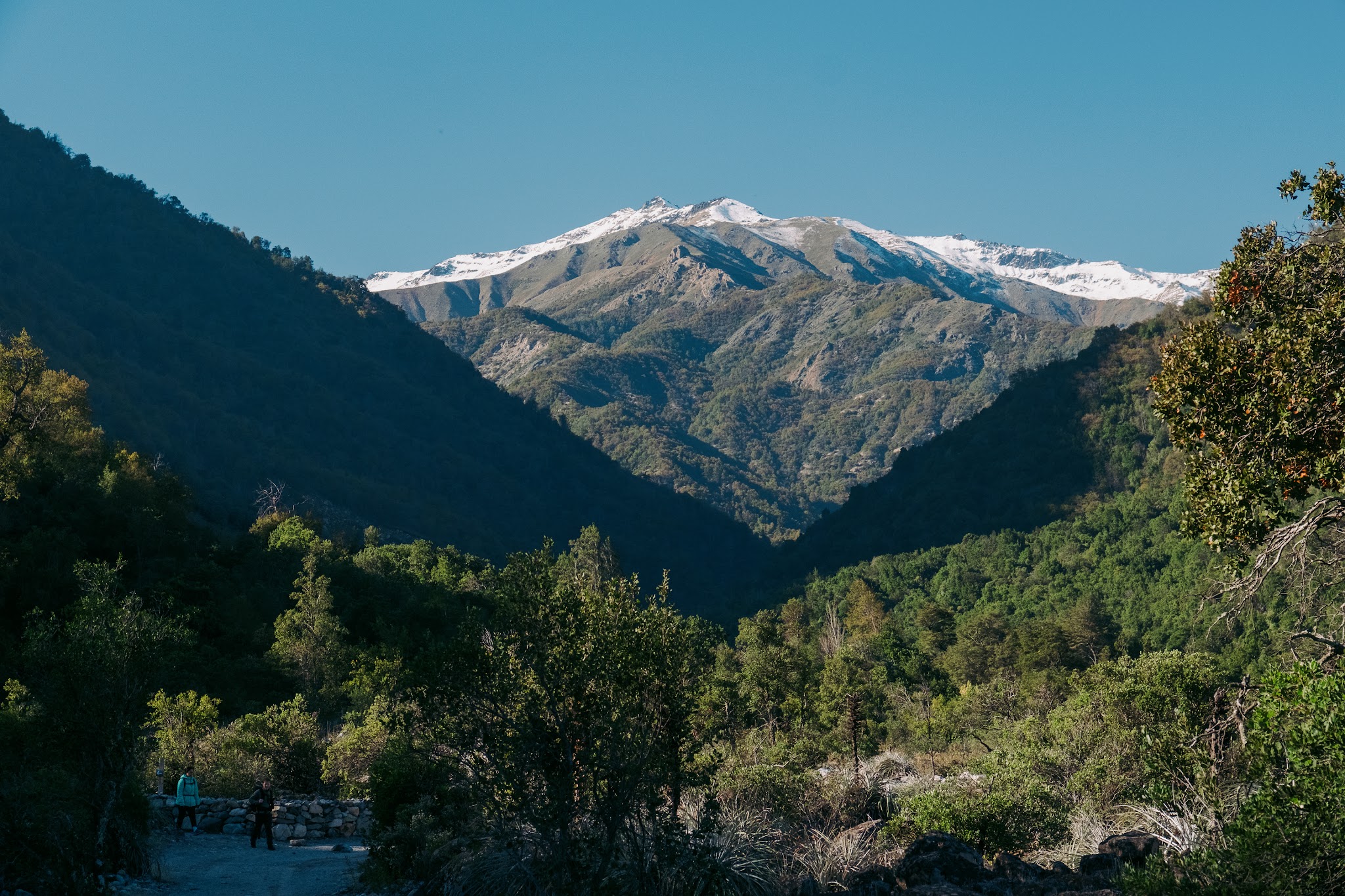
The man who wanted to stop the pine plantations
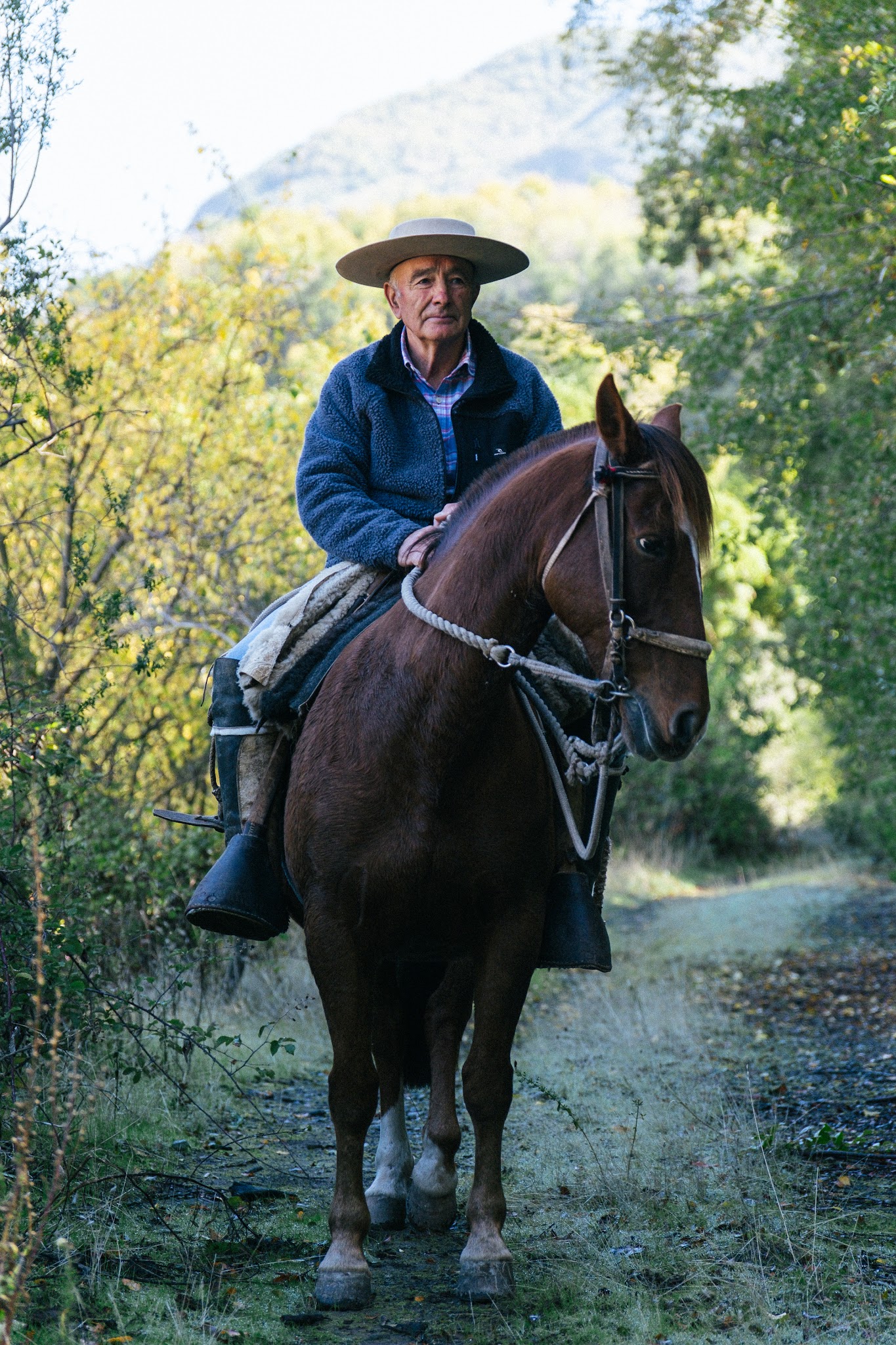
Whenever Manuel Dörr tells the story of Cuenca Andina, he always comes back to his father.
During the 1970s, Chile was going through a period of major political upheaval. Following agrarian reform, the state recovered vast properties in order to redistribute them. Then came the military coup of 1973, which abruptly changed everything. Lands managed by CORA – the Corporación de Reforma Agraria – were rapidly resold.
At the same time, Chile’s forestry industry exploded.
Entire sections of native forest were cleared to make room for Pinus radiata, a pine species imported from North America that was profitable, fast-growing and perfectly suited to the paper industry.
“They erased the forests from the map,” Manuel explains. “And replaced them with pine plantations. Fifteen years later, they cut everything down and start over again and again, until the soil dies.”
Yet his father, Juan Carlos Dörr, had known these mountains since childhood. His own grandfather had already lived here. He rode through the valleys on horseback, knew the lagoons, the old trails and the families who inhabited the cordillera.
Then one day, everything disappeared. The cattle, the horses and the people.
The forestry company closed access to the land. So the young lawyer decided to act.
At first, he did not even intend to buy the land. He simply wanted to complicate the forestry companies’ plans during the state auctions. But when he found himself almost alone in front of the auctioneer, something shifted.
“He asked for the price,” Manuel recalls. “And it was unbelievably low for a place like this. The river, the lagoons, the forest… So he thought: ‘I have to buy it to protect it.’”
The purchase itself was almost miraculous because the family did not have the necessary funds. So Juan Carlos called his brother, an uncle, a brother-in-law. Everyone contributed however they could. The brother-in-law provided most of the money, while other partners later joined the project.
That day, without fully realizing it, Juan Carlos Dörr laid the foundations for a conservation project that would survive for decades.
A protection designed to outlive generations
For nearly half a century, despite economic pressure and forestry plantations continuing to spread across the surrounding region, the Dörr family preserved this territory without hotel complexes, without industrial exploitation and without major transformation.
Simply with the stubborn desire to protect something.
For Manuel and his siblings, Cuenca Andina gradually became much more than a family property: it became part of their childhood.
“I used to come here with my friends when I was a teenager,” he says. “We slept in the mountains, fished, went backpacking. All my friends loved coming here because of this connection with nature.”
Over the years, however, one question increasingly emerged during family discussions: how could they ensure that the protection of the territory would survive after them? Not just for the next generation – but forever.
The answer came in the form of a legal tool still relatively unknown in Chile: the Derecho Real de Conservación (DRC), or Real Right of Conservation, inspired by Anglo-Saxon conservation easement models.
As is often the case in major conservation stories, everything almost began by accident.
A lawyer friend told Manuel about a new law and a foundation called Tierra Austral, specialized in private conservation. Around the same time, his sister María Paz heard about the same organization through a friend in Santiago.
“When we met again, I told her: ‘I found the solution.’ And she answered: ‘So did I.’ It was exactly the same solution.”
That solution had a name: Victoria Alonso, director of Tierra Austral.
A few weeks later, she arrived in the valley. Then began a five-day horseback expedition deep into the mountains. “She couldn’t believe the beauty and richness of the place,” Manuel remembers. “The biodiversity, the landscapes, everything that existed here.”
It was at the end of that immersion that the project of permanently protecting Cuenca Andina truly came to life.
The work was enormous. The entire family needed to agree. Maps had to be drawn, buildable zones defined, permitted activities established and a true master plan created.
Thanks to the DRC, conservation no longer depends solely on the family’s goodwill. It is now legally attached to the land itself.
In other words: even if the property is sold, inherited or divided, certain rules remain permanent – no massive deforestation, no destructive projects and no exploitation incompatible with conservation objectives.
“We can declare that this land will be protected forever,” Manuel explains.
Today, Cuenca Andina has become the largest project protected by a DRC in Chile.
But behind this family story lies a broader reality: contemporary Chile and its deeply privatized relationship with land.
Because here, even nature conservation often depends on private initiatives. Land belongs to families, forestry companies or major agricultural groups. Water itself operates through a system of usage rights inherited from the ultraliberal reforms implemented during Augusto Pinochet’s dictatorship.
In this context, protecting a valley almost becomes a political paradox.
The state protects relatively little. National parks are often underfunded. So families, foundations and philanthropists frequently end up filling the gap.
“The only way to preserve this biodiversity is to work with private landowners,” Manuel summarizes.
And the system goes far beyond a simple moral commitment.
Tierra Austral acts as the legal guarantor of the agreement. The foundation regularly monitors the site, verifies compliance and possesses legal authority to intervene if the contract is violated.
“By signing the agreement, I gave the foundation conservation rights over this place,” Manuel explains. “If we do something we are not supposed to do, they can stop it.”
In a region where more than 90% of the land belongs to private owners, this model could become essential.
Chile’s forgotten biodiversity region
When people think about Chile’s great wilderness, the collective imagination almost always turns toward Patagonia, with its glaciers and wind-beaten landscapes.
Central Chile, meanwhile, remains largely absent from international narratives.
And yet…
The Maule region contains one of the country’s richest levels of biodiversity. “We are one of the regions with the highest biodiversity, but with the fewest protected areas,” Manuel explains.
Here, the richer the biodiversity, the less protected the land often is.
The region concentrates extraordinary ecological wealth, but also some of Chile’s most heavily exploited territories: industrial agriculture, forestry plantations, livestock farming and urbanization.
“For a long time, the government treated this region as a sacrifice zone,” he says.
Cuenca Andina notably protects an extremely rare ecosystem: Chilean Mediterranean forest.
An environment unique in the world.
Endemic species grow here that can barely be found anywhere else on Earth. Among them are two species of Nothofagus – Chilean oaks – coexisting in an exceptional balance.
“This is the only place where Nothofagus obliqua and Nothofagus macrocarpa meet and hybridize,” Manuel explains.
The reserve is also home to pumas, foxes, woodpeckers, chucao tapaculos and many other species currently studied by Chilean universities.

A reserve that refuses to become a closed sanctuary
Protecting a place is one thing. Choosing to open it to the public is another. And that is probably where Cuenca Andina becomes truly fascinating.
Because the Dörr family could easily have chosen an elitist model: closing the gates, banning visitors and turning the valley into an inaccessible sanctuary. Instead, the park was designed as a place of transmission.
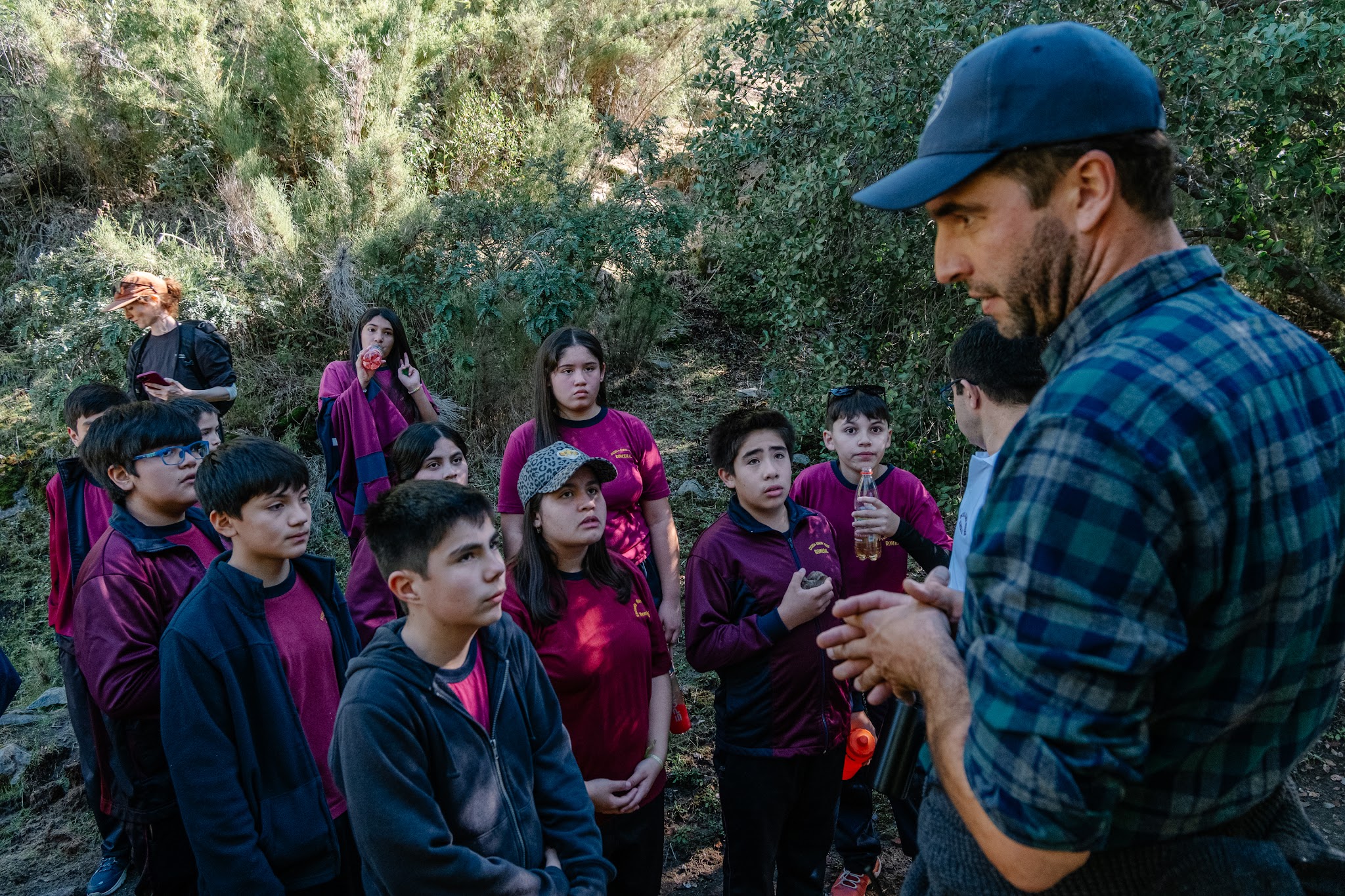
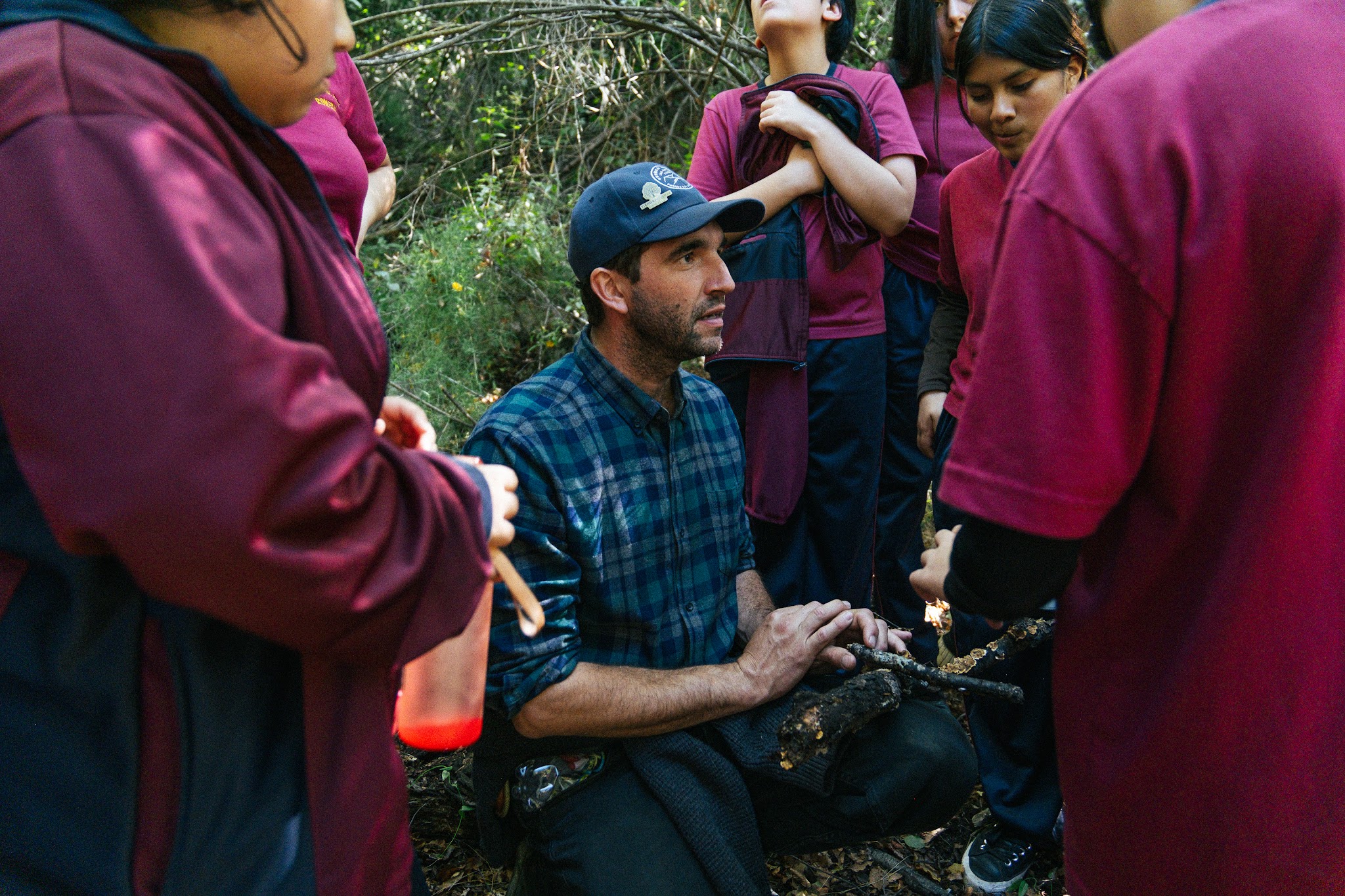
“The future of conservation is education,” Manuel says.
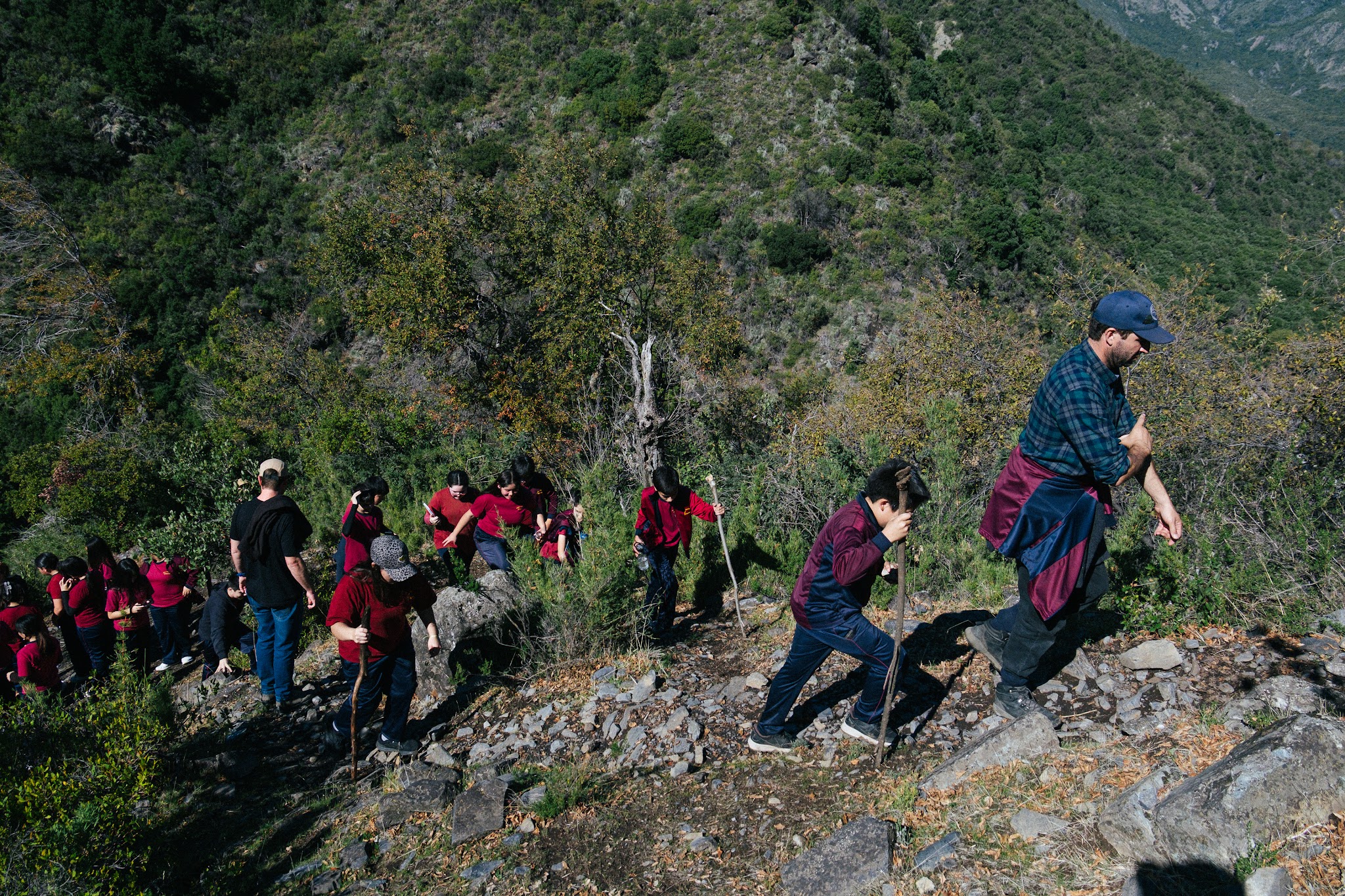
Since the park officially opened in October 2025, schools have regularly come to discover the valley. Some have almost no budget, so the team adapts prices. Sometimes, classes are even allowed to enter for free.
This openness is deeply connected to an observation that repeatedly surfaced during our conversation.
Manuel Dörr is both an architect and a university professor, and through his students he has witnessed the growing disconnect between younger generations and the natural world. Many young Chileans know surprisingly little about the nature of their own country. “Every year, I ask my students how many of them have truly walked in nature before. Very few raise their hands. They live like prisoners of the city.”
For him, this disconnection is also generational. Parents and grandparents often experienced extremely difficult rural lives. They wanted something different for their children: offices, cities and comfort.
And little by little, the connection with the mountains was broken.
“We are guests here”
Throughout the interview, Manuel rarely speaks about ownership. Instead, he speaks about responsibility. Several times, he repeats the same idea: nobody truly owns a place like this. “My father always says: ‘I am not the owner. I am only the guardian.’”
Then he brings up Oscar Wilde’s tale The Selfish Giant, the story of a man who closes his garden off from the world. “We do not want to become the selfish giant,” he says.
That philosophy runs throughout the entire reserve. Visitors are not considered customers. They are considered guests.
“We are guests in the home of the forest, the birds, the fungi, the foxes and the mountains,” Manuel explains. “They are the true owners of this place.”
And suddenly, the rules become almost obvious:
Leave nothing behind.Do not carve into rocks.Do not shout.Do not destroy.
Simply learn how to observe.

A reserve designed to be experienced
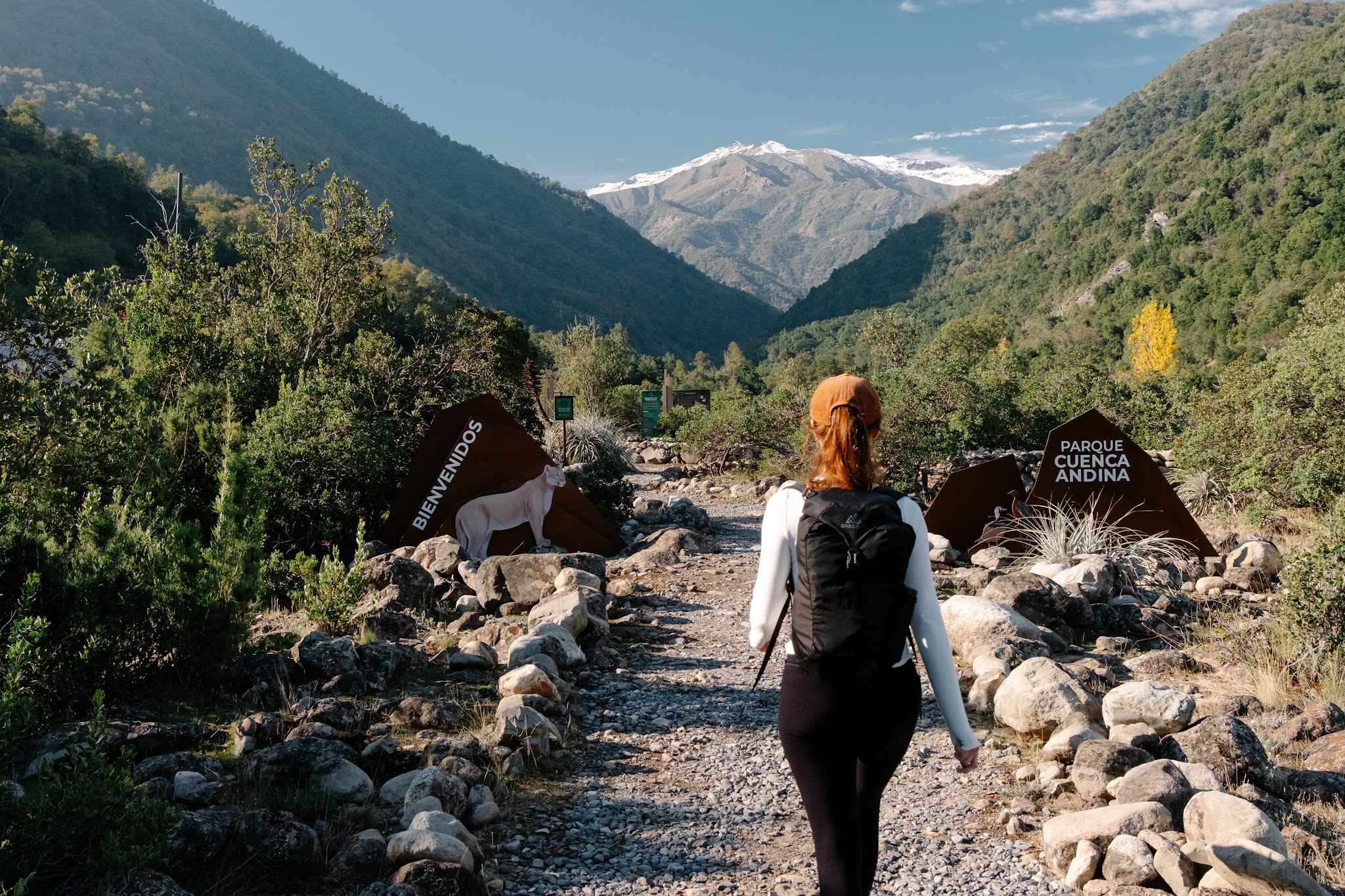
Today, Cuenca Andina is far more than a legal conservation project or an experiment in private preservation. It has also become a genuine immersion into Chilean wilderness.
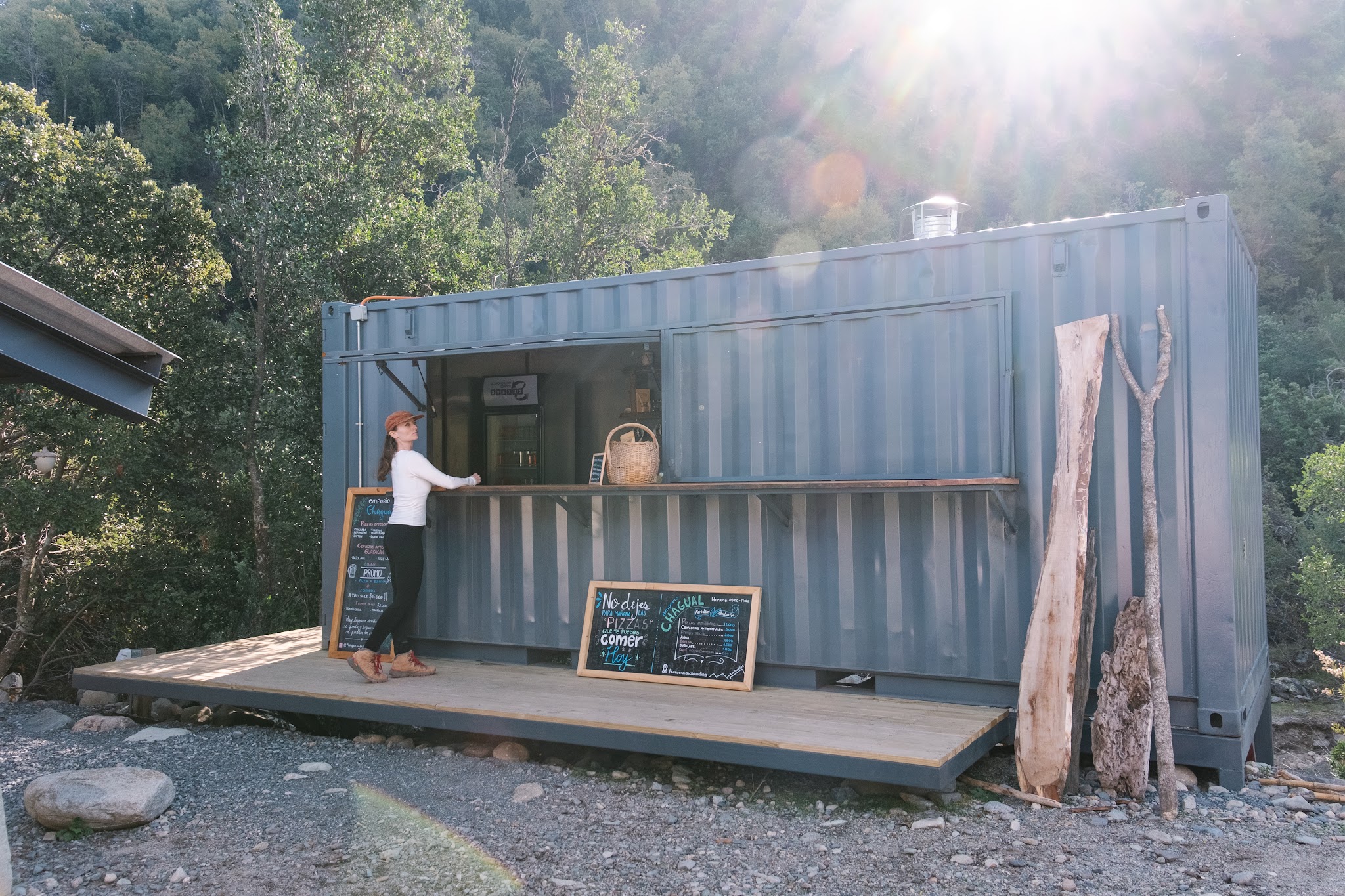
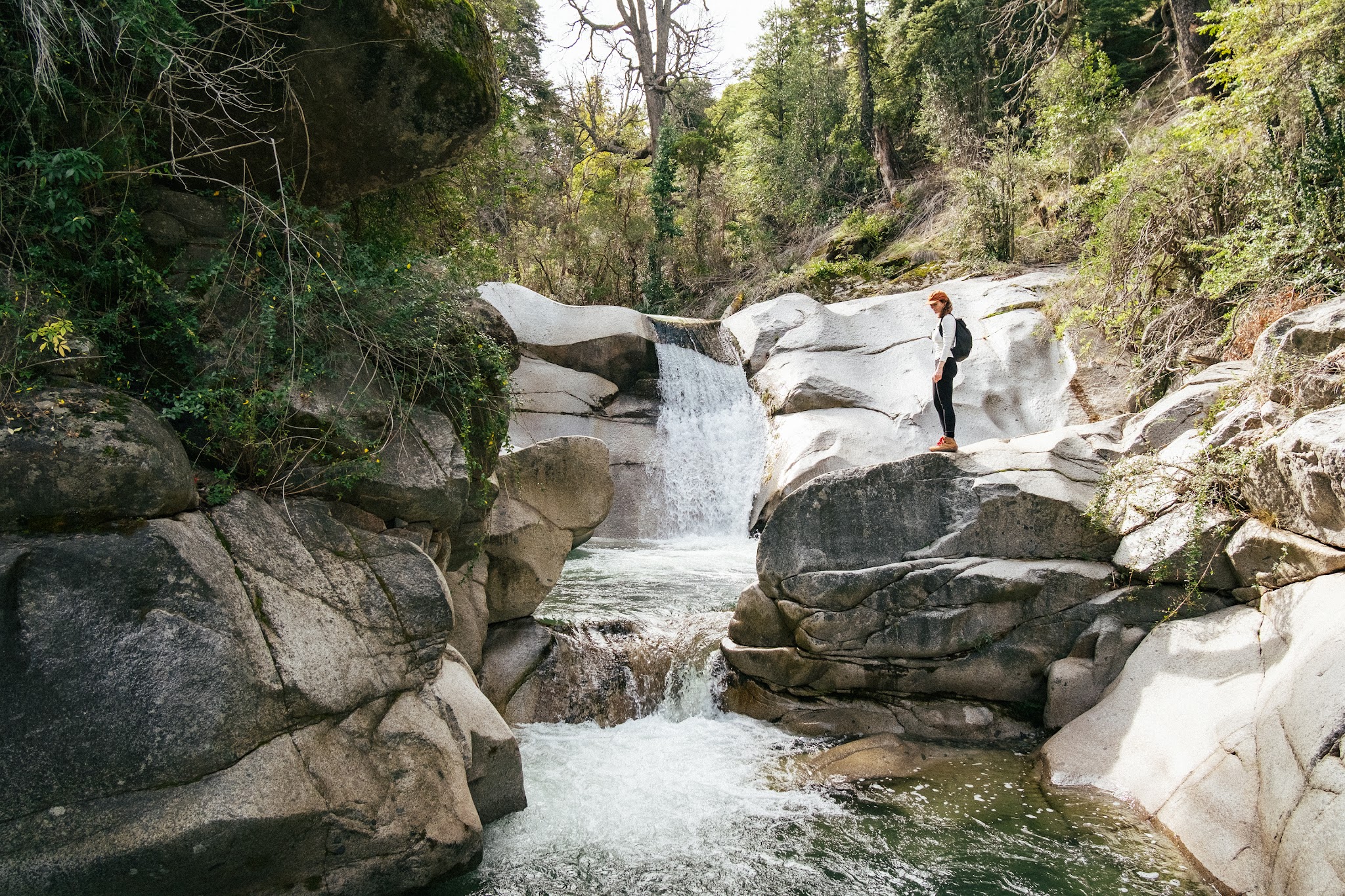
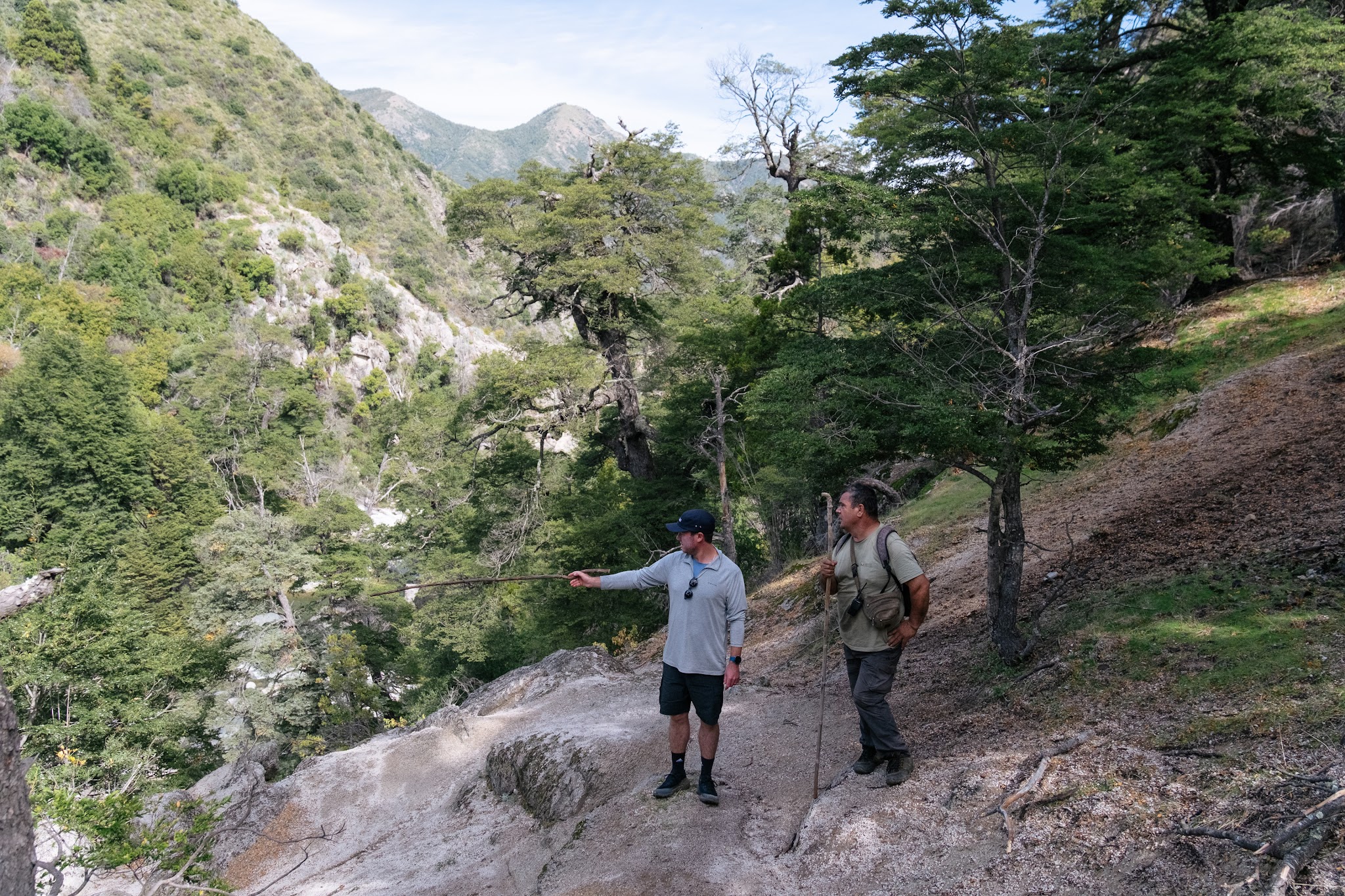
From the main reception area, several hiking trails lead directly into the mountains. Some follow rivers through Mediterranean forests, while others reach waterfalls, viewpoints or ancient routes once used by arrieros moving cattle across the cordillera.
The reserve also contains several small camping areas discreetly integrated into the landscape.
Nothing massive or overdeveloped.
Here, the objective is not to transform the mountains into a tourist resort, but rather to allow visitors to sleep as close to nature as possible, in a form of deliberate simplicity.
One of Cuenca Andina’s greatest strengths also lies in its location.
For residents of Santiago, the reserve represents one of the few major green escapes still easily accessible from the Chilean capital.
Only a couple of hours away by car, the park offers immediate immersion into an environment radically different from urban chaos.
“If you live in Santiago and want to walk through a forest like this, there are almost no other comparable places this close,” Manuel explains.
In a country where many iconic natural spaces lie extremely far from major cities, Cuenca Andina is attracting more and more visitors searching for silence, fresh air and disconnection.
The reserve appeals equally to families, hikers, photographers and city dwellers looking to reconnect with the mountains and native forests of central Chile for a weekend.